Copywriting, Persuasion, and Marketing Psychology Insights
Actionable strategies to help you grab attention, leverage psychological triggers to optimize your funnel, and grow your digital brand.

Copywriting Market Research: The Ultimate Comprehensive Guide You Need (Updated)
The most important step in the Copywriting process is market research.
It is the process of gathering data and information about the target audience, competitors, market trends, and existing gaps in the market. It helps copywriters understand the needs and behavior of the target audience.
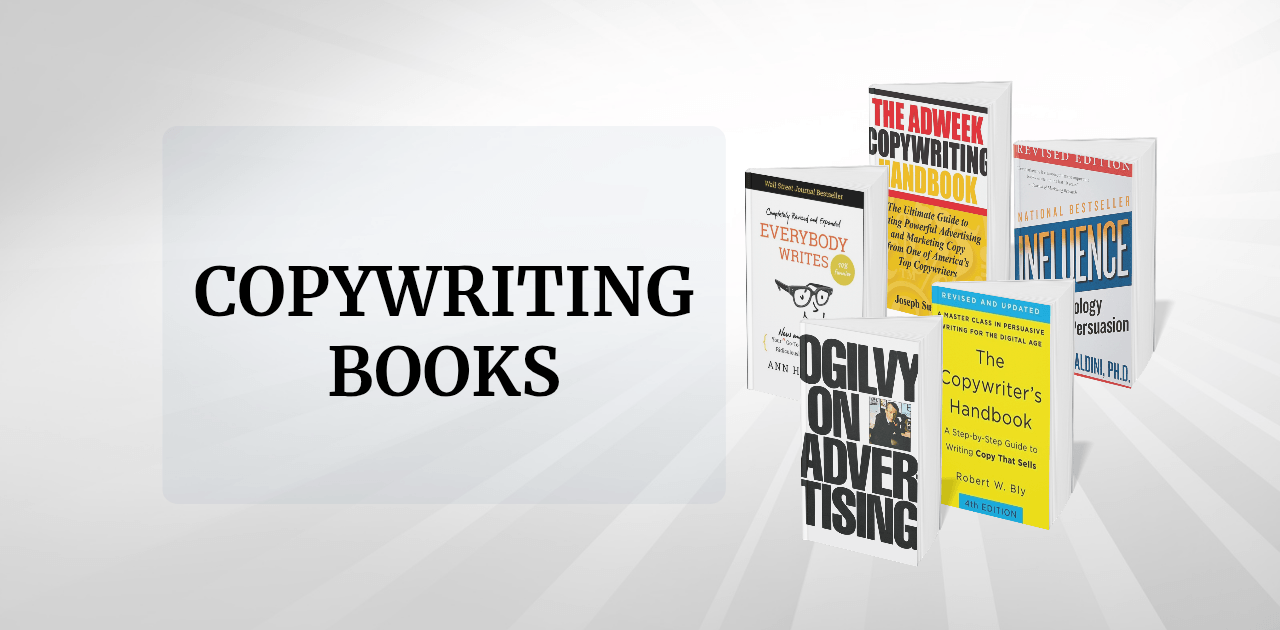
The Best Timeless Copywriting Books Beginners Should Read
Do you want to become a great Copywriter? If so, you must learn from the best, and if you can’t do it in person, you can do it by reading their books.
To stand out, you have to learn both traditional and modern copy, and books remain the most important step in laying the groundwork for your copywriting career.
A Proven Copywriting Formula You Need to Boost Sales
The P.A.S.T.O.R. formula is a proven framework that helps you to write copy that significantly boosts your sales.
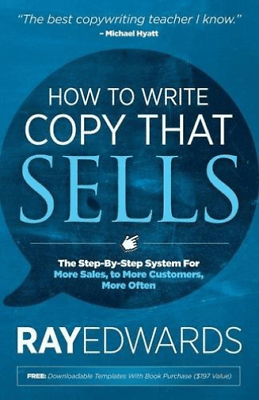
It’s imperative to mention his father, Ray Edwards, one of the greatest direct response copywriters and the author of “How to Write Copy That Sells”.

How to Build a Freelance Copywriting Website Without Coding
As a freelancer, you need a website that connects with clients, with brands, but above all, with people.
A well-designed website combined with persuasive content works for you as a 24/7 sales pitch, but without ever sounding salesy.
How To Write Powerful Calls To Action That Actually Convert In 2026 And Beyond
The CTA button is, after the headline, the second most important element of your copy. It’s the magic button that tells people what to do next.
The effectiveness of your CTA buttons also helps you to understand if your copy was or wasn’t engaging enough for your prospect to click on it.
The 2026 Complete Guide To Copywriting Frameworks You Must Know
Do you want to write persuasive copy and turn people’s objections into big bucks that pay your bills? If your answer is yes, this post is for you.
Writing powerful copy can be tough without guidelines, even more if you are new at this.
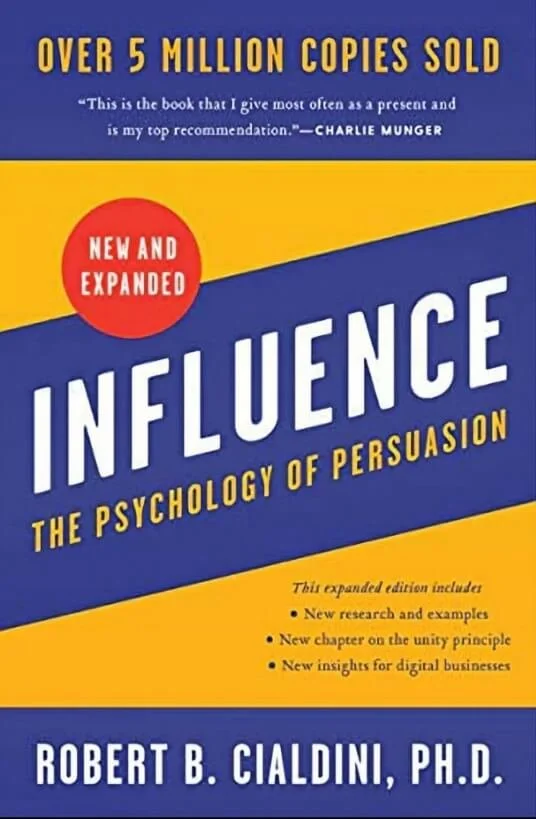
7 Powerful Principles You Need To Boost Conversions
To write copy that persuades people to click the CTA button you have to learn how to use the “right” words persuasively.
Robert Cialdini identified 7 principles of persuasion that help you write compelling copy.

Breakthrough Advertising: All You Need To Know To Write Copy That Converts
If you want to write copy that turns your leads into buyers, you have to study who your target audience is, the needs, and what problems are facing.
And only by understanding at which stage of the buyer’s journey your customer is, you can write copy that fits with his needs and solve his problems.